12 Signs an Employee Is About to Quit (and How to Respond)
When a great employee resigns, it rarely comes out of nowhere. Looking back, the signs an employee is about to quit were usually there for weeks or months: the energy that quietly faded, the long-term project they stopped volunteering for, the meetings where they went silent. Most departures are preceded by a slow drift, and that drift is your window. This guide breaks down 12 of the clearest signals that a valued person is preparing to leave, why each one matters, and how to respond in a way that is supportive rather than suspicious, so you can keep more of the people you most want to keep.
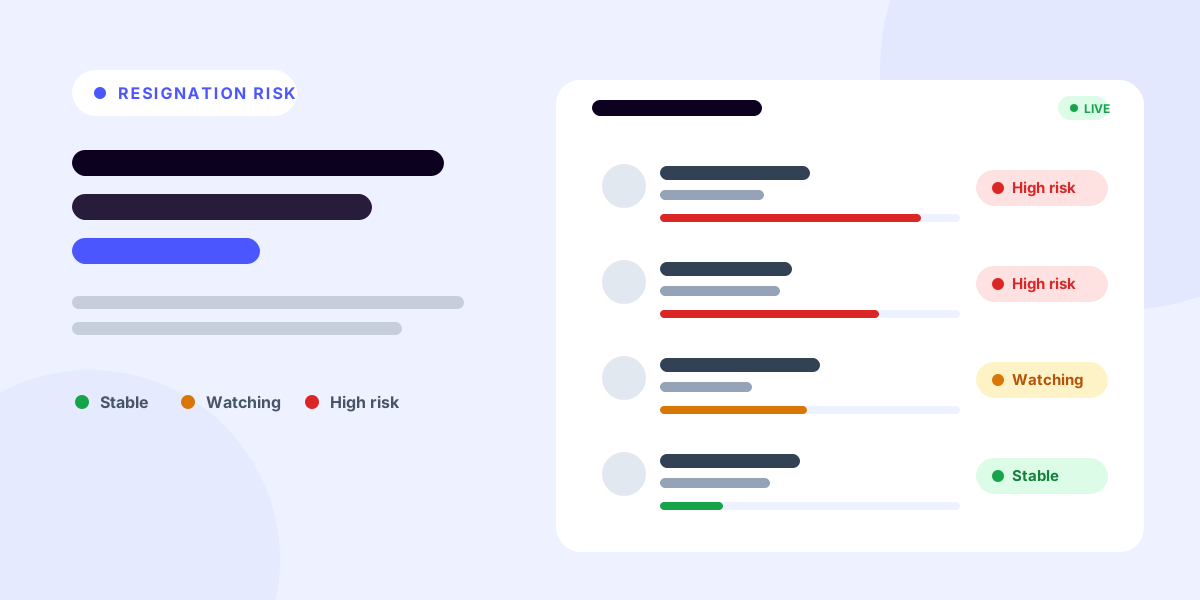
Catch a rising risk weeks early, and you get time to talk before the notice lands.
The 12 signs an employee is about to quit, at a glance
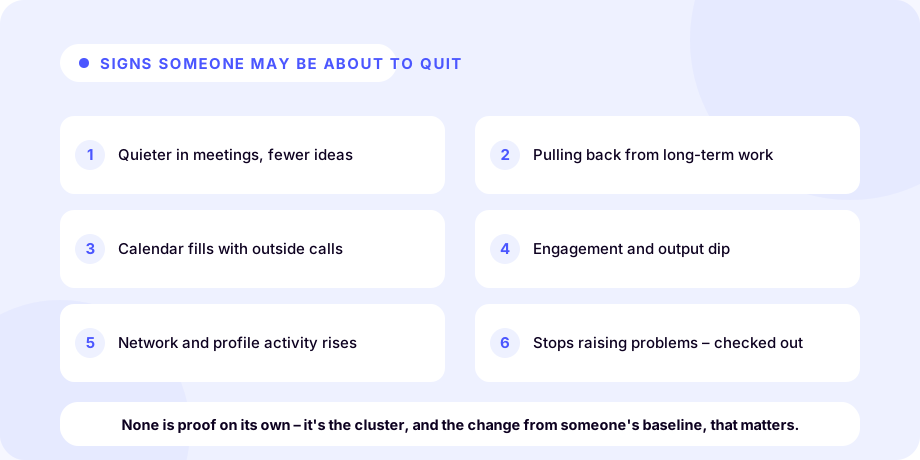
Use this as a quick checklist - the sections below explain each signal and how to respond. Remember the rule of thumb: one signal is noise, but a cluster that persists is the pattern worth acting on.
- Visible disengagement and a cooler attitude
- Going quiet in meetings and pulling back socially
- Withdrawing from long-term projects and planning
- A shift in attitude, mood, or reliability
- More frequent or unusual time off
- Declining output or quality from a strong performer
- Doing the minimum and avoiding stretch work
- Wrapping up loose ends and unusual documentation
- Updating their LinkedIn profile and headline
- Adding new skills, courses, or certifications
- A spike in networking and connection activity
- Visible openness to opportunities
Why early signals matter more than exit interviews
By the time someone hands in their notice, the decision is usually made. The most useful information about retention shows up long before that conversation, in small shifts away from a person's normal patterns. Catching those shifts early gives you what an exit interview never can: lead time. Lead time to fix a fixable problem, to have an honest growth conversation, to adjust workload, or, if a departure truly is coming, to groom a successor and plan a smooth transition instead of scrambling.
A few principles before the list:
- Look for change from baseline, not absolute behavior. A naturally quiet person going quiet means nothing; a usually vocal contributor going silent means a lot.
- One signal is noise; a cluster is a pattern. Anyone can have a bad week. Several of these signals appearing together, and persisting, is what deserves attention.
- Signals are an invitation to talk, not a verdict. The point is never to build a case against someone. It is to notice that a valued colleague might be struggling or drifting, and to open a supportive conversation early.
Few things shape whether people stay more than manager quality and day-to-day experience, so most of these signals are really feedback about the role and the relationship. Treat them that way.
Behavioral and engagement signs an employee is about to quit
These are the human, observable shifts in how someone shows up. They tend to appear first.
1. Visible disengagement and a cooler attitude
The most common early signal is a drop in enthusiasm. Someone who used to push back in debates, float ideas, or sweat the details starts going through the motions. They are not hostile, just noticeably less invested. Engagement is one of the strongest leading indicators of retention, and disengagement usually precedes the decision to leave (it is the emotional version of a check engine light), so a sustained dip matters even when the work still gets done.
Resist labeling the person "checked out" and get curious instead: in your next one-on-one, ask what is feeling different lately and what part of the work still energizes them. Often the honest answer points straight at a fixable cause, like a stale role, a frustrating process, or a sense of being overlooked.
2. Going quiet in meetings and pulling back socially
A formerly active voice that stops contributing, keeps the camera off, skips the optional team lunch, or drifts out of the group chat is signaling withdrawal. People disconnect socially before they disconnect formally, and belonging is a powerful reason people stay: when someone stops investing in relationships at work, the tie that often keeps them is loosening.
Re-engage them personally and specifically. Invite their opinion directly in meetings ("I'd really value your read on this") and reconnect one-on-one, so they feel seen again rather than put on the spot.
3. Withdrawing from long-term projects and planning
Watch for someone who suddenly avoids work that pays off six or twelve months out, declines to own the new initiative, or stops talking about their future at the company. People naturally disinvest from a future they may not be part of, which makes stepping back from the long term one of the most telling behavioral signals: it reflects how someone privately pictures their timeline.
The response is an explicit, future-focused conversation. Ask where they want to grow over the next year and connect their day-to-day work to that path; if they are evasive, that is useful information, gently surfaced.
4. A shift in attitude, mood, or reliability
Increased irritability, cynicism about leadership, more complaints, or, conversely, a strange new calm and detachment can all signal that someone has one foot out the door. So can a slip in reliability from a previously dependable person: missed commitments, late replies, lower attention to detail. Attitude shifts often reflect unspoken frustration, and the detached calm can be the more concerning version, because it sometimes means the person has already decided and made peace with leaving.
Address it with empathy, privately and early. "You don't seem like yourself lately, and I want to make sure you're okay" opens a door that a performance warning slams shut.
5. More frequent or unusual time off
A noticeable uptick in personal days, more midday appointments, or time off that is vaguely explained can sometimes correspond with interviewing, especially when it clusters and breaks from someone's normal pattern.
Why it matters: A clear break from established time-off habits is a behavioral change worth noticing, alongside everything else.
How to respond: Never police or interrogate time off; that destroys trust and accelerates the exit you are trying to prevent. Simply factor it into the broader picture, and make sure your one-on-ones are strong enough that the person would tell you if something were wrong.
Performance and output signs to watch
Performance signals are trickier, because a dip can mean burnout, a personal crisis, or a leaving decision. The response, fortunately, is similar: a supportive conversation.
6. Declining output or quality from a strong performer
When a reliably high performer's productivity or quality slips and stays down, the mental energy that fueled their best work may be going elsewhere, whether to a job search or to disengagement. A drop from someone's own high standard is a meaningful change in baseline, even if their output still beats the team average.
Lead with concern, not correction: "I've noticed things feel harder lately. What's getting in the way, and how can I help?" Frame it as removing obstacles, and you will surface either a fixable problem or an honest signal.
7. Doing the minimum and avoiding stretch work
A subtler version of declining output: the work still gets done, but the discretionary effort disappears. They stop volunteering, stop mentoring, stop polishing, protecting energy they have decided to spend elsewhere. Discretionary effort is the first thing to go when someone mentally starts to leave, and the last thing to return once they have.
Reconnect them to purpose and recognition. People often coast because they feel their extra effort goes unnoticed; specific, genuine recognition and a meaningful new challenge can re-light real engagement.
8. Wrapping up loose ends and unusual documentation
Counterintuitively, a sudden burst of tidiness can be a signal: clearing backlogs, documenting processes in unusual detail, closing out long-open items, or quietly handing off relationships. Some people unconsciously prepare a clean exit.
Why it matters: On its own this can simply be good professionalism. Combined with disengagement signals, it can suggest someone is getting their affairs in order.
How to respond: Treat thorough documentation as a positive habit to encourage team-wide, so it never feels like a trap. Read it as a signal only in the context of the wider pattern, and let it prompt a genuine check-in.
Digital and networking signs an employee is about to quit
Much of modern job searching happens in the open, on professional networks. These signals, drawn from publicly visible activity, can give you earlier warning than behavior alone, precisely because they often appear before the in-office changes do. The key is to treat them as conversation starters about someone's growth, never as grounds for suspicion.
9. Updating their LinkedIn profile and headline
A profile that suddenly gets a refresh, a new headline, a polished summary, freshly listed accomplishments, or a new profile photo, is often a step people take when they are preparing to be seen by recruiters.
Why it matters: Profile updates are among the earliest and most visible external signals, because people optimize their presence before they actively apply.
How to respond: Do not confront anyone about their profile. Instead, let it prompt a proactive retention conversation about growth and recognition. If someone is making sure their accomplishments are visible, make sure those accomplishments are recognized inside your company too.
10. Adding new skills, courses, or certifications
A flurry of newly added certifications, courses, or skills, especially ones beyond the current role, can indicate someone is investing in their next move, not just their current one. Skill-building is healthy and worth celebrating, but a sudden public emphasis on new credentials can also be positioning for a different job.
Get ahead of it by creating internal growth paths: ask what they want to learn and where they want to go, then offer stretch projects or development that apply those new skills with you. People often leave to grow because no one offered them a way to grow where they are.
11. A spike in networking and connection activity
A noticeable increase in new connections (especially recruiters and people at other companies), more engagement with industry content, or reappearing at events after a quiet stretch can reflect someone widening their options. Active networking frequently precedes an active search; it is the groundwork people lay before opportunities surface.
The answer is to strengthen the internal relationship and the internal opportunity, because the most reliable counter to outside pull is genuine inside pull: meaningful work, a manager who invests in them, and a visible future worth staying for. A related outside-activity signal is moonlighting - picking up a second job; read it as feedback about pay, growth, or security rather than disloyalty.
12. Visible openness to opportunities
Some signals are nearly explicit: signaling availability to recruiters, engaging heavily with job-related or "we're hiring" content, or following and interacting with competitors and target employers. These tend to appear later, closer to an active search.
Why it matters: This is often one of the strongest external indicators, because it reflects intent rather than just maintenance.
How to respond: Move quickly and sincerely. This is the moment for a real stay conversation, ideally before a formal offer is on the table, because once a competing offer lands, retention odds drop sharply - and you're left weighing a rushed employee counteroffer, which usually treats the symptom rather than the cause. Acting now, before that point, is how you avoid the counteroffer scramble entirely.
Tracking these public signals manually across a team is impractical and easy to do clumsily. Tools like TeamPredict summarize publicly available LinkedIn activity into a simple resignation-risk level per employee, so you get an early, proactive nudge to have the right conversation, without anyone playing detective.
How to respond without crossing the line into surveillance
The difference between proactive retention and surveillance is intent and method. Healthy retention watches for patterns and openly visible signals to start better conversations and improve the experience of working for you. It does not monitor private activity, read messages, or police people. A simple test: would your employee feel supported, or spied on, if they knew exactly what you were doing? Aim squarely for "supported."
A constructive response playbook:
- Notice the cluster, not the incident. Wait for a genuine pattern across several signals before acting.
- Open with curiosity. Use a real one-on-one and open questions. Never lead with the evidence ("I saw you updated your LinkedIn").
- Listen for the root cause. Most flight risk traces back to a few fixable themes: lack of growth, weak recognition, unsustainable workload, pay misalignment, or a strained manager relationship. Dig into why good employees leave so you can address causes, not just symptoms.
- Act on what you hear, fast. A great conversation that changes nothing makes things worse. Follow up with a concrete adjustment.
- Build retention into your system. Don't rely on heroic last-minute saves. Strong employee retention strategies make these moments rare in the first place, and a clear view of employee flight risk helps you focus energy where it counts.
The earlier you start, the more options you have. If you want a more structured approach to spotting risk before notice is given, see our guide on how to predict employee turnover.
Turning signals into retention
Reading these signals is about caring earlier, not catching people. Every one of the twelve is, at heart, feedback about whether someone feels challenged, valued, and able to picture a future with you. When you treat the signals that way, they stop being warnings and become opportunities, a reason to have the conversation you would have wanted to have anyway.
If you would rather get an early, proactive nudge than discover a resignation by surprise, start a free 30-day trial of TeamPredict and turn early signals into more of the saves that matter. There's no charge until the trial ends, and you can cancel anytime.
Reading these signs early is the first move in proactive employee retention.
Frequently asked questions
- What are the most common signs an employee is about to quit?
- The most common signs are a cluster of changes rather than any single event: visible disengagement, withdrawing from long-term projects, going quiet in meetings, declining output, more frequent time off, a cooler attitude, and increased outside networking or profile updates. Watch for changes from a person's own baseline, not absolute behaviors.
- How can you tell if an employee is about to quit?
- To tell if an employee is going to quit, look for a cluster of changes from their normal baseline rather than any single event: fading engagement, going quiet in meetings, pulling back from long-term work, and a jump in outside networking or profile updates. No single sign proves someone is going to leave, but several signs an employee is leaving appearing together - and persisting for weeks - is a reliable early warning that it's time for a supportive conversation.
- Can you really tell if someone is going to resign before they announce it?
- You usually cannot predict the exact day, but you can spot rising flight risk weeks or months ahead by noticing meaningful shifts in engagement, performance, and outside activity. The goal is not certainty; it is enough lead time to have a supportive conversation and address concerns before the decision is final.
- How should a manager respond when they suspect someone is about to quit?
- Lead with curiosity, not accusation. Have a genuine one-on-one, ask open questions about workload, growth, and what would make the role better, and then act on what you hear. Most people give signals because they want something to change, not because they have already mentally checked out.
- Is it too late to retain someone once they show these signs?
- Often it is not too late, especially if you respond early and the underlying issue is fixable, like growth, recognition, or workload. It becomes much harder once someone has accepted another offer, which is why noticing patterns early and acting on them matters so much.
- How is watching for quitting signals different from surveillance?
- Healthy retention focuses on patterns and openly available signals to start better conversations and improve the employee experience, not on monitoring private activity or policing people. The intent is to support and keep good people, which means acting transparently and in the employee's interest.
About TeamPredict
TeamPredict Team
We build TeamPredict - retention early-warning software that flags resignation risk from public LinkedIn signals. We write about the patterns that precede a resignation and how people-first teams act on them early. Learn more about TeamPredict
Find out who's showing exit signals.
Score one person's flight risk in a couple of minutes with the free assessment - then let TeamPredict watch the rest daily.
Run the free flight-risk assessmentFree, no signup required.