Boomerang Employees: Should You Rehire Former Staff?
Some of the best hires you will make this year may be people who already quit. Boomerang employees (former employees who leave and later return) have become a normal part of hiring as people change jobs more often and stay connected to old colleagues. A returning employee can ramp up in days instead of months and arrive with fresh outside perspective. But a boomerang hire can also drag an old problem back through the front door. This guide covers the real pros and cons, when to rehire and when not to, and how to keep good leavers close enough that returning is even an option.

Two ways to bring someone back: into the same unfixed problem, or into a role that actually changed.
What is a boomerang employee?
A boomerang employee is someone who worked for your company, left, and then came back. They might have resigned for a bigger title elsewhere, taken a chance on a startup, relocated, stepped away for family reasons, or simply burned out and needed a change. Sometime later - months or years - they return to your payroll.
The pattern is more common than it used to be. Long tenures at a single employer are rarer, professional networks like LinkedIn keep former colleagues loosely connected, and the stigma around "going back" has mostly faded. For many managers, the question is no longer whether a former employee might return, but whether they should rehire them when the opportunity comes up.
That decision deserves more thought than it usually gets. A boomerang hire is neither automatically a great idea (because they are familiar) nor automatically a bad one (because they left once). The right answer depends on why they left, what has changed since, and whether you are rehiring deliberately or just reaching for the convenient option.
The case for rehiring: why boomerang employees can be great
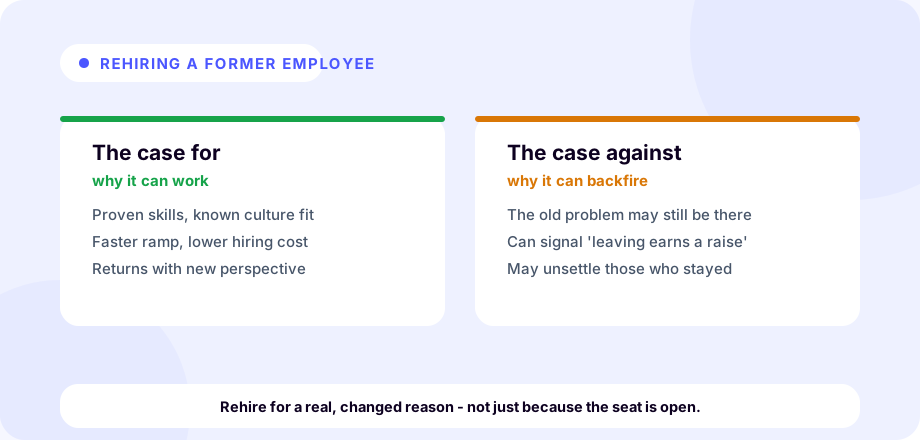
There are good reasons boomerang hiring has caught on, and they go beyond nostalgia.
Faster ramp-up and lower onboarding cost
A returning employee already knows your product, your customers, your tools, and how decisions actually get made. They do not need three months to learn where everything is or who to ask. That shortened ramp is real money saved and real momentum kept - especially on a lean team where every week of a slow start is felt across the whole group. When you weigh it against the real cost of employee turnover and the price of bringing any new hire up to speed, a known quantity who is productive in week one is a genuine advantage.
A known quantity with less hiring risk
Every external hire is a bet on a few interviews and some reference checks. With a boomerang employee, you already know how they work, how they handle pressure, whether they are reliable, and how they fit the team. The biggest source of hiring risk - will this person actually be good once they start? - is largely answered. You are not guessing about culture fit; you have lived it.
Fresh perspective from time away
This is the underrated upside. An employee who spent two years somewhere else has seen different tools, processes, and ways of solving problems. They come back with the context of an insider and the perspective of an outsider - a rare combination. A good boomerang hire can quietly upgrade how your team works.
A visible signal that you are a good place to work
When a respected former colleague comes back, it sends a message to everyone who stayed: this is a place people choose to return to. Handled well, a boomerang return can be a small but real boost to morale and to your reputation as an employer.
The case against: why boomerang hires sometimes backfire
The same familiarity that makes boomerang employees attractive can also lull you into skipping the hard questions. Here is where rehires go wrong.
You may be rehiring into the same problem they left
This is the big one. If someone left because of a difficult manager, pay that fell behind the market, no path to grow, or a culture issue - and none of that has actually changed - then rehiring them just resets a clock that already ran out once. The honeymoon of returning fades, the original friction resurfaces, and you are back where you started, minus the goodwill. Before any rehire, get honest about the real reason they left. Our guide on why good employees leave is a useful gut-check, because the stated reason in an exit conversation and the underlying one are often not the same.
People change - and so does the company
A boomerang hire is not a copy-paste of the person who walked out. They have grown, formed new habits, and may have different expectations about money, flexibility, or seniority. Meanwhile your company has changed too: new leadership, new tools, a different team, a different stage. Assuming the fit will be identical to last time is a mistake in both directions. Interview them as you would any serious candidate - for the company you are now, not the one they remember.
Fairness perceptions among the people who stayed
Loyal employees notice when someone who left comes back at a higher level or salary than the people who stuck around through the hard parts. If a return looks like leaving was the smart career move, you can quietly demoralize the very people you most want to keep. Boomerang hires need to be slotted in with the same fairness and transparency you would want for any internal promotion.
The risk of stagnation or a repeat exit
Someone who returns to the exact same role, with the same ceiling, can stall again fast. And a boomerang employee who came back mainly because their last job did not work out - rather than because something genuinely improved on your side - is at elevated risk of leaving a second time. A rehire is not the end of a retention story; it is the start of a new one.
When to rehire a former employee - and when not to
A simple way to decide is to weigh three things: how they left, why they left, and what has changed since.
Lean toward rehiring when:
- They left on good terms and were a strong performer the first time.
- The specific reason they left has genuinely changed - better pay band, a new manager, a real growth path, more flexibility.
- The role is a step forward for them, not a return to the exact ceiling they hit before.
- The people who stayed would see the return as fair and welcome it.
- They are returning toward something at your company, not just away from a job that disappointed them.
Be cautious or say no when:
- Performance, reliability, or behavior was the actual reason they left - familiarity does not fix that.
- They left because of a manager, pay, or culture problem that still exists today.
- You are only considering them because it is fast and easy, not because they are the best fit.
- Bringing them back would create real fairness or morale problems with current staff.
- Their return would block a promotion that a current employee has earned and is ready for.
The throughline: rehire deliberately. A boomerang hire should clear the same bar as any other candidate, plus one extra question - has the thing that made them leave actually changed? If you cannot answer that honestly with a yes, pause.
How to keep the door open: alumni relationships and respectful offboarding
Here is the part most companies miss. You cannot rehire a great former employee if you burned the relationship when they left. The boomerang only comes back if you threw it well in the first place. That work happens long before any rehire - at the exit.
Treat the exit as the start of a relationship, not the end
How someone leaves shapes whether they would ever consider coming back - and what they say about you to everyone in their network in the meantime. A rushed, cold, or resentful offboarding closes the door permanently. A gracious one keeps it open. Run a genuine, two-way exit interview that thanks people for their contribution, learns what you can, and makes it clear they are welcome to return. People remember the last week far more than the middle ones.
Build a simple alumni network
You do not need software or a formal program. A short list of strong former employees, a way to stay loosely in touch - an occasional update, a LinkedIn connection, a small alumni group chat - and a standing message that the door is open is enough for most small and mid-sized companies. The goal is light, genuine contact so that when a role opens up, reaching out feels natural rather than out of the blue. Most boomerang hires come from people you parted with well and stayed warm with.
Separate good leavers from the rest
Be honest about who you would actually want back. Keep your alumni energy focused on the strong performers who left for understandable reasons - not everyone who ever quit. When one of those people resurfaces, you want to already know they are worth a conversation.
How boomerang hiring fits a broader retention strategy
Rehiring is a useful tool, but it is a downstream one - it helps after someone has already left. The bigger win is keeping your good people in the first place, and building the kind of culture that makes both staying and returning attractive.
Boomerang hiring works best as one piece of a complete retention approach. The same fundamentals that keep current employees - fair pay, good managers, real growth, meaningful work - are exactly what make a former employee want to come back, and what make a returner stay the second time. If you are building that foundation, our employee retention strategies that actually work and the manager's playbook on how to retain employees cover the practical moves. And when a critical-role holder does leave, having groomed a successor in advance - see our take on succession planning for lean teams - means a departure does not become a crisis while you wait to see if they boomerang back.
The connective tissue across all of this is lead time. The earlier you can see that a valued employee is drifting toward the exit, the more options you have: you can address what is bothering them and keep them, prepare a successor, and part on good enough terms that returning stays possible. That early signal is exactly what TeamPredict is built to surface - a simple, proactive resignation-risk level for each tracked employee, drawn from public LinkedIn activity - so you are planning ahead instead of reacting to a resignation letter. Good offboarding and a warm alumni relationship turn some of those eventual leavers into your easiest future hires.
The best retention strategy treats people well at every stage: while they are with you, on the way out, and if they decide to come back. Do that consistently, and boomerang employees stop being a lucky surprise and become a reliable part of how you build your team. If you want more lead time to keep your best people before they leave, and to part on terms that keep the door open, start a free 30-day TeamPredict trial. You won't be charged until the trial ends; cancel anytime before then and pay nothing.
Frequently asked questions
- What is a boomerang employee?
- A boomerang employee is a former employee who leaves your company and later returns, usually after spending time somewhere else. The name comes from the idea that they come back like a boomerang. Boomerang hires are increasingly common because people change jobs more often, and a good leaver who returns brings both prior context and fresh outside experience.
- Should you rehire a former employee?
- Often yes - if they left on good terms, performed well, and the reasons they left have genuinely changed. Boomerang employees ramp up faster and are a known quantity. But rehire deliberately, not just because it is convenient. If they left because of a manager, pay, or culture problem that still exists, or if their performance was the real issue, a return tends to repeat the original problem.
- What are the downsides of hiring boomerang employees?
- The main risks are rehiring into the same conditions that caused the original departure, assuming the person is the same when both they and the company have changed, and fairness perceptions among staff who stayed - especially if the returner comes back at a higher level or salary. Skipping a real interview because the person is familiar is another common mistake.
- How do you build an alumni network for boomerang hiring?
- Start with a respectful offboarding so people leave as fans rather than critics. Keep a simple list of strong former employees, stay in light touch through occasional updates or an alumni group, and make it clear the door is open. Most boomerang hires come from people you parted with well, so the relationship you build on the way out is what makes a future return possible.
- Do boomerang employees stay longer the second time?
- It depends entirely on why they left and why they returned. A boomerang employee who came back because a specific, fixable issue was resolved often stays and contributes well. One who returned mainly because the new job did not work out, without anything changing on your side, is at higher risk of leaving again. Treat a returning hire like any other retention case and keep paying attention after they start.
About TeamPredict
TeamPredict Team
We build TeamPredict - retention early-warning software that flags resignation risk from public LinkedIn signals. We write about the patterns that precede a resignation and how people-first teams act on them early. Learn more about TeamPredict
What does one wrong hire cost?
Recruiting spend, ramp time, management drag and the backfill - the free calculator totals it up.
Calculate the cost of a bad hireFree, no signup required.